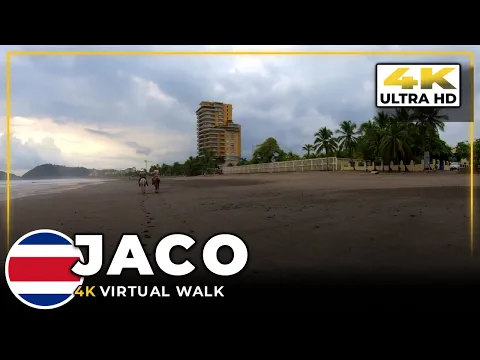
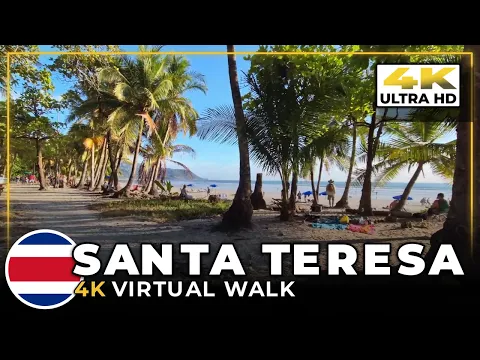
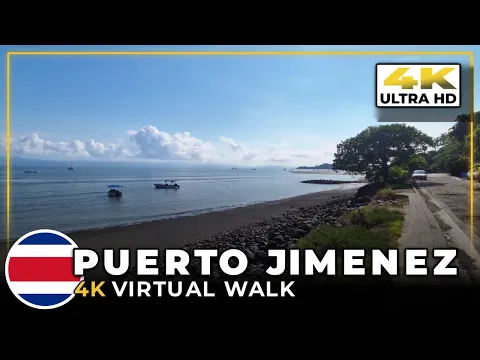
El Miro is an abandoned concrete lookout on the hill above the south end of Jacó, Costa Rica, in the province of Puntarenas. A short, steep hike from the coastal highway leads up to it. From the top you see Jacó Bay, the town and the beach. It is free, takes about an hour or so round trip and suits anyone with steady legs and a water bottle.
 22:02
On this page
What’s in this video
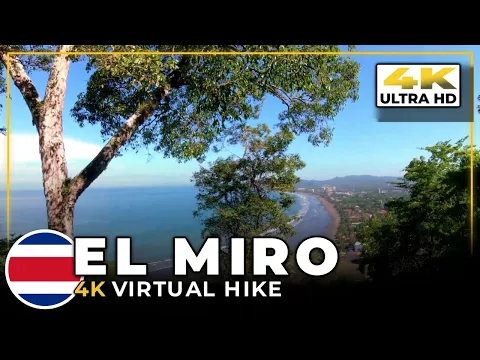
The hike at the top of the page runs about 22 minutes. It starts on Route 34, the coastal highway that runs north and south through Puntarenas. It passes the parking area for the trail and starts to climb. The first stretch is steep and paved. Then the road turns into rutted gravel. This is where you often see monkeys in the trees.
Partway up, the hike passes a horse tour heading up the same hill and a spot where a small waterfall runs in the wet months. The first rest stop has benches and a good lookout over the bay. Higher up, animals are carved into the retaining wall beside the track. A left turn leads to the El Miro entrance and a rustic path to the ruin.
The building has several open floors with plenty of spots for photos. The basement is covered in graffiti. There are no railings or barriers down there, so watch your step.
Nobody agrees on why the building was never finished. Local stories call it a family home, a hotel or a restaurant that was left half-built. Today it is one of the best free viewpoints in Jacó.
How to get to El Miro
The trail starts at Calle Madrigal on Route 34, at the south end of Jacó, across from the gas station. From downtown Jacó it is a short drive or a longer walk along the highway. Route 34 is busy here. Cross with care.
Jacó is about an hour and a half by road from SJO, the main international airport, using Route 27 and then Route 34. For the town itself, read the Jacó guide. Sights & Sounds has a full guide to airports in Costa Rica if you have not booked flights yet.
Best time to hike El Miro
Go early in the morning, before the heat builds. Most people reach the top in 20 to 30 minutes. Late afternoon light is good too, but leave time to get down well before dark.
The dry season runs from about December to April. In the green season, from May to November, the upper track can be muddy, with water running down the ruts after rain. Good shoes help in any month.
What El Miro costs
There is no entry fee. The hike is free, and so is the view. Bring your own water and snacks, since there is nothing to buy on the trail. Jacó has plenty of places to eat once you are back down.
By law, a restaurant menu in Costa Rica must show the final price, with the 13% tax and any 10% service charge included. If a menu says “plus taxes”, ask for the final price.
Getting around Jacó
Jacó is easy to cover on foot or by bike, and taxis are common. A rental car makes day trips simple, south to Playa Hermosa and Quepos, or north toward the national parks. Before you book one, read this Costa Rica rental car guide.
For more on the hike, see the Sights & Sounds guide to El Miro.
Where to stay near El Miro
The trail is at the south end of Jacó, so anywhere in town works as a base. Hotels and rentals along the beach put you close to restaurants and the main strip. The south end is quieter and closer to the trailhead. Playa Hermosa, a few minutes further south, is a smaller surf beach with its own hotels.
Quick tips for El Miro
- Start early. The climb is steep and the sun is strong by mid-morning.
- Bring at least a litre of water per person.
- Wear shoes with grip. The gravel ruts are loose and get slick after rain.
- Do not feed the monkeys, and keep food and bags closed.
- Hike with at least one other person, in full daylight.
- Watch your step in the ruin. There are no barriers on the open floors or in the basement.
Want things to do? Read the full El Miro (Jacó) guide on Sights & Sounds.
Seen enough? Book your stay.
Hotels in El Miro (Jacó), compared in one place.
Next in Costa Rica
Jacó: know before you go →